

May 6, 2026 | Burma Independent Voice
Researchers have discovered that extreme weather conditions fueled by climate change are significantly increasing both the risk of stroke and related mortality rates. Factors such as extreme heat, freezing temperatures, wildfire smoke, dust, and rapid changes in atmospheric pressure are converging to become direct triggers for neurological emergencies.
During periods of intense heat, the body’s dehydration levels rise, causing blood to thicken. This increased viscosity makes blood clots more likely to form, potentially leading to ischemic strokes (blockages in brain blood vessels). Despite global warming trends, extreme cold remains a persistent threat; cold air constricts blood vessels, spikes blood pressure, and stimulates pro-thrombotic factors that encourage clotting. The body is particularly vulnerable during sudden, rapid temperature fluctuations when it cannot adapt quickly enough.
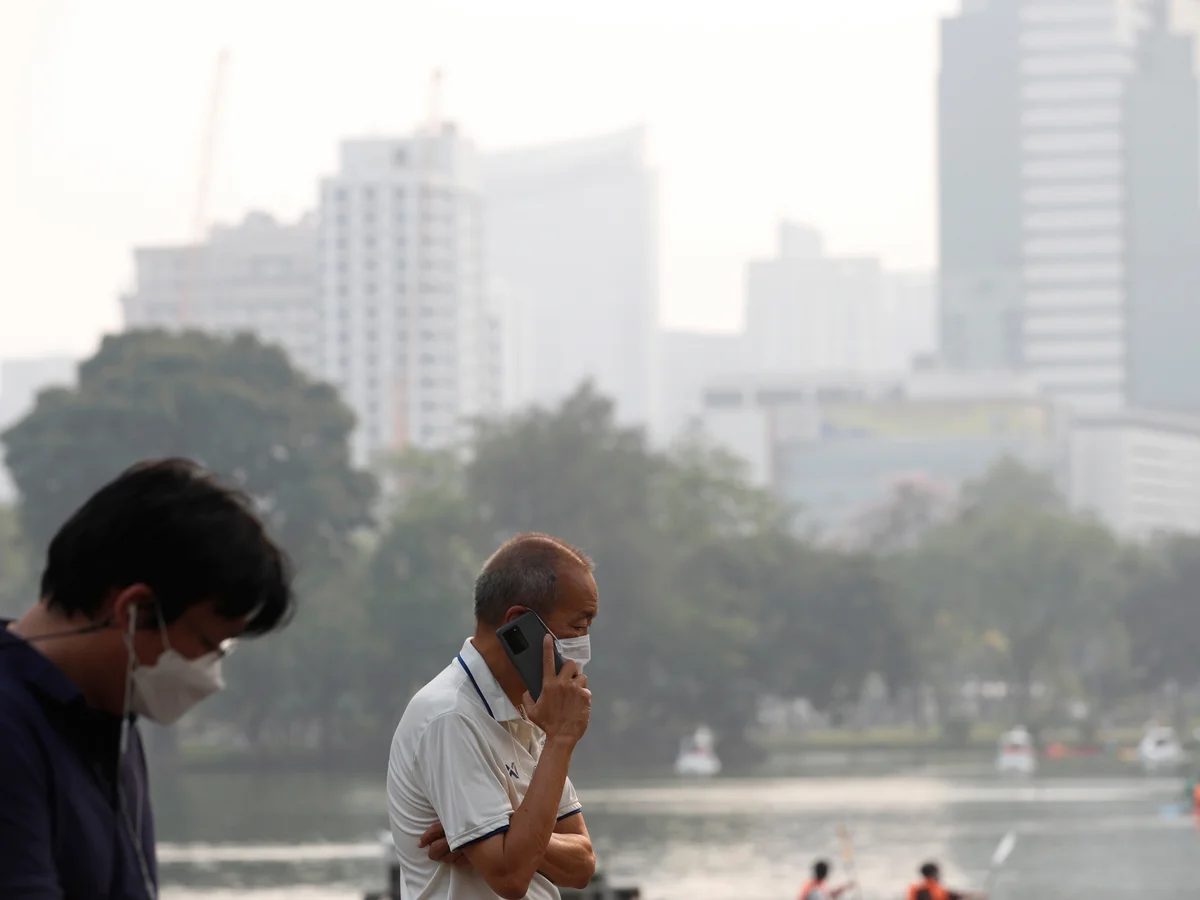
Air pollution also remains a critical factor. Professor Anna Ranta stated that over 20% of strokes globally are now linked to air pollution. The physiological impact is amplified when extreme heat coincides with drought, or when bitter cold meets high humidity. This health crisis disproportionately affects low- and middle-income countries, which account for 89% of all stroke-related deaths and disabilities worldwide.
The elderly, outdoor laborers, and individuals with hypertension are among the most vulnerable to these climate-driven risks. Experts emphasize that reducing greenhouse gas emissions is vital, while personal lifestyle choices—such as adopting plant-based diets and increasing physical activity—can mitigate individual risk. Furthermore, there is a growing need for hospitals to utilize weather forecasting data to issue early warnings to at-risk patients.
About the Author