




May 28, 2026 | Burma Independent Voice
ADELAIDE, Australia — A comprehensive, decade-long longitudinal study has revealed that regular tea consumption significantly strengthens bone density in older women, while excessive coffee intake acts as a catalyst for bone mass depletion and heightened osteoporosis risks.
When managing osteoporosis risks in postmenopausal women, clinical focus traditionally zeroes in on calcium supplements, Vitamin D intake, and physical exercise. However, new epidemiological evidence suggests that daily beverage habits—specifically tea and coffee—exert powerful, diametrically opposed influences on long-term skeletal architecture.
The study, led by epidemiologist Enwu Liu from Flinders University in Adelaide, Australia, cross-analyzed extensive osteoporosis registries to track the bone health trajectories of nearly 10,000 women aged 65 and older over a 10-year period.
The Structural Dividend of a Daily Cup of Tea
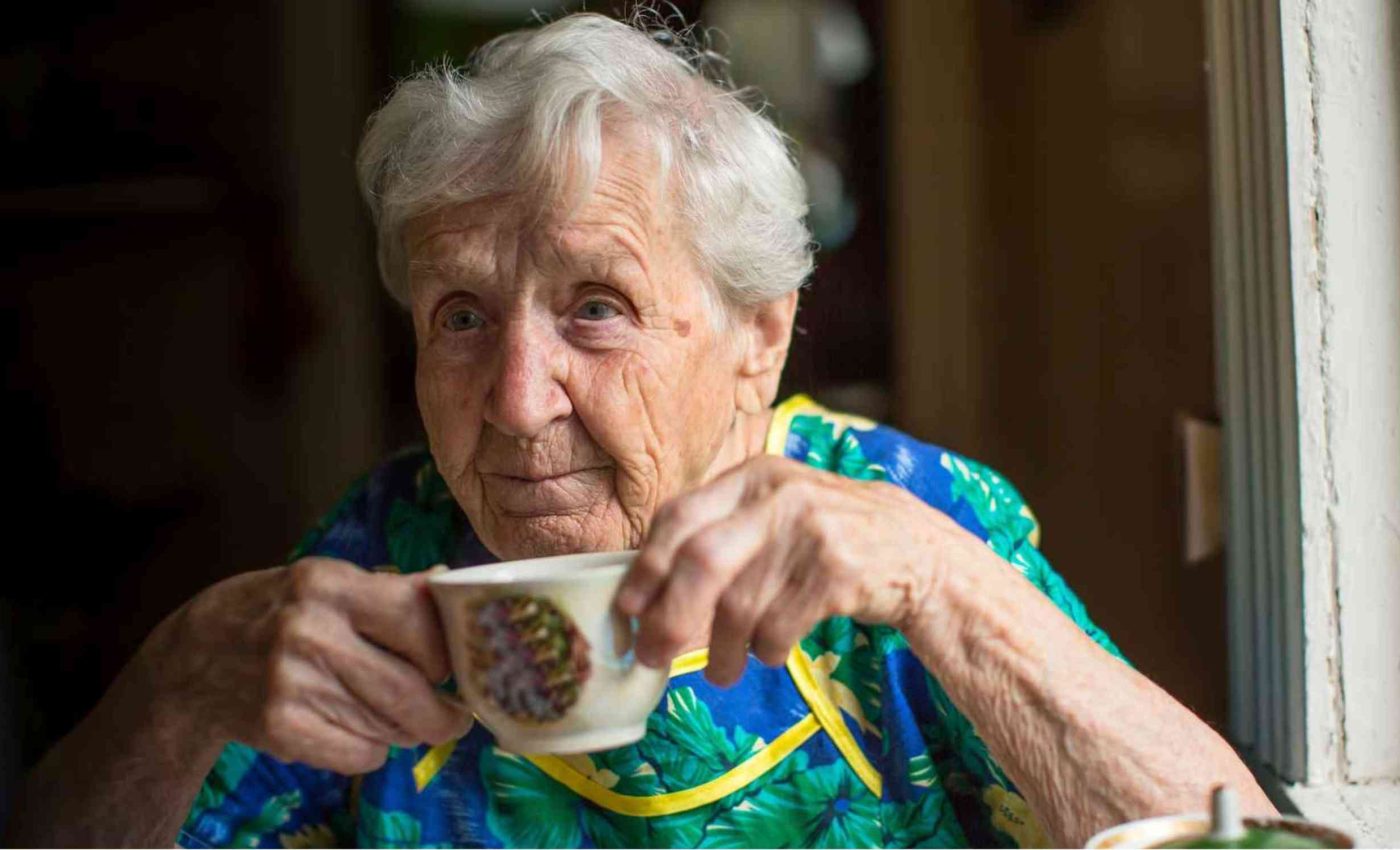
Following a decade of monitoring, researchers discovered that women who consistently drank tea exhibited substantially higher hip bone mineral density (BMD) compared to non-tea drinkers. While the baseline variance—measured at roughly one-third of a milligram per square centimeter—appears minimal on an individual scale, scientists emphasize that across a broader population, this margin translates into a statistically significant reduction in catastrophic bone fractures.
Notably, the study identified a pronounced benefit among a specific subgroup: women categorized as obese displayed the most significant gains in total bone mass from regular tea consumption.
In vitro laboratory trials suggest this phenomenon is driven by catechins—potent bioactive plant compounds abundant in green, black, and oolong teas. These phytochemicals serve a dual therapeutic role, actively stimulating osteoblasts (bone-building cells) while simultaneously suppressing osteoclasts (cells responsible for bone resorption and degradation).
The Tipping Point for Coffee Consumers
For coffee enthusiasts, the study offers reassuring boundaries. Moderate consumption—defined as one to two cups daily—yielded no negative impacts or measurable changes to bone mineral density in either the hip or the femoral neck.
However, a critical threshold was observed among heavy consumers: women who drank more than five cups of coffee per day showed a marked decline in overall bone density. Pharmacologically, excessive caffeine saturation acts as a dietary antagonist, actively disrupting the gastrointestinal tract’s ability to efficiently absorb calcium, thereby undermining skeletal integrity over time.
The Compound Risks of Alcohol and Caffeine
A particularly stark warning emerged regarding lifestyle convergence. The data revealed that women with a lifetime history of heavy alcohol consumption who also consumed high volumes of coffee exhibited accelerated bone density loss, particularly within the highly vulnerable femoral neck. This specific beverage combination creates a compounded threat matrix that drastically elevates skeletal fragility.
“These findings do not imply that individuals must completely eliminate coffee or force themselves to drink vast quantities of tea,” lead researcher Enwu Liu noted. “However, given that one in three women over the age of 50 will experience an osteoporosis-related fracture, substituting just one of your daily beverages with a cup of tea represents one of the simplest, lowest-cost interventions to safeguard long-term bone health.”
The complete peer-reviewed study and its statistical modeling have been published in the prominent global health and nutrition journal Nutrients.