


June 17, 2026 | Burma Independent Voice
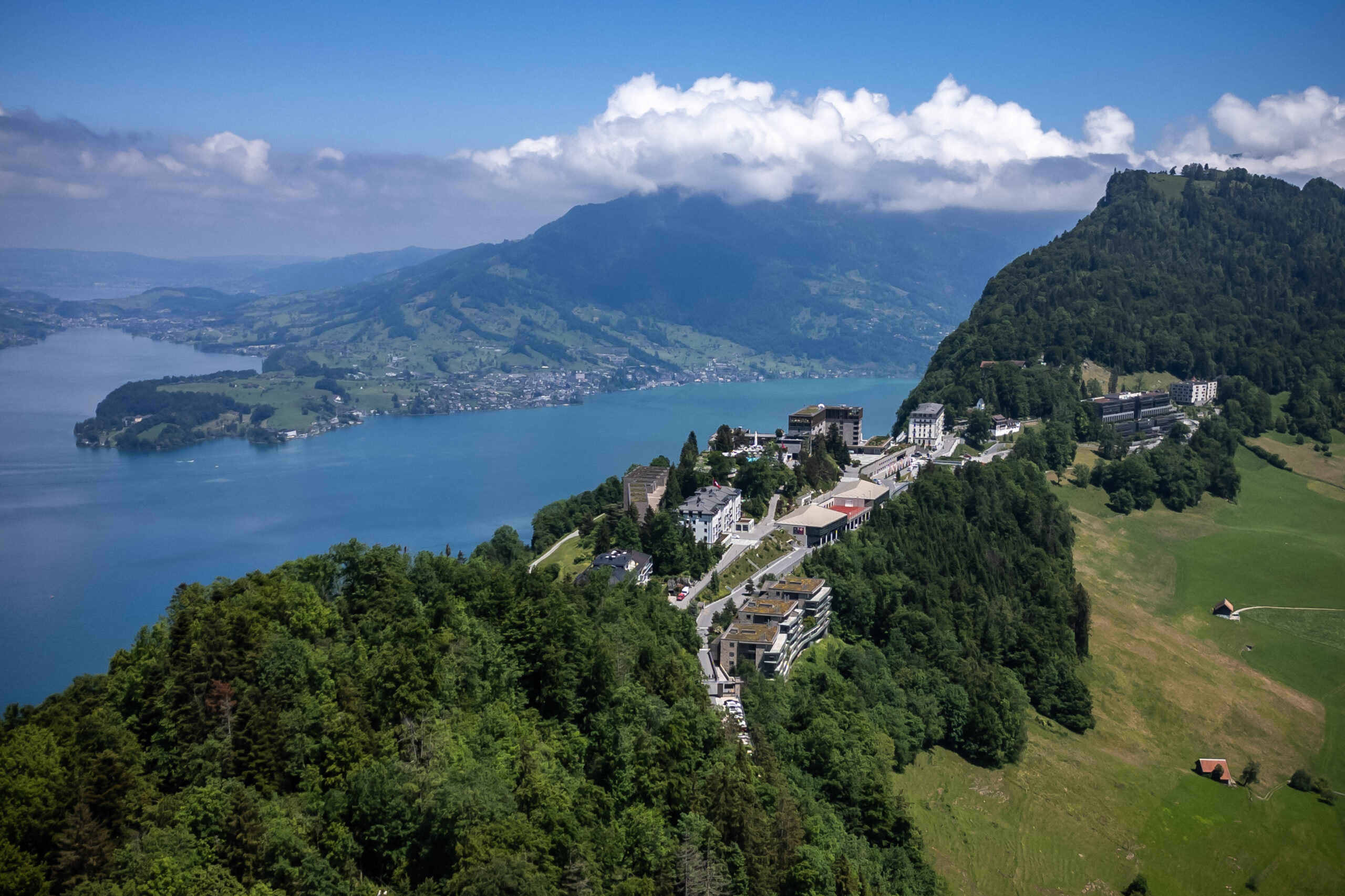
A historic agreement between the United States and Iran aimed at ending the conflicts in the Middle East will be formally signed this coming Friday (June 19) at a luxury mountain resort in Switzerland.
The months-long conflict, which erupted in February following a joint military operation by the United States and Israel against Iran, has reverberated across the region and destabilized the global economy. The breakthrough peace agreement was finally announced last week.
While officials from both sides stated that the U.S.-Iran accord includes provisions to halt hostilities in Lebanon, the Israeli military continued to launch airstrikes across multiple locations in southern Lebanon on Wednesday. A separate strike on Tuesday reportedly left four people dead. Israeli leaders have remained silent on whether Israel is a party to the agreement, and Prime Minister Benjamin Netanyahu asserted on Monday that Israeli forces will remain stationed in Lebanon for the foreseeable future.
Meanwhile, Iran’s Deputy Foreign Minister confirmed that the U.S. Navy has lifted its two-month-old military blockade of Iranian ports. As a result, Iranian oil tankers have been permitted to depart from the previously blockaded Gulf zone, marking Iran’s first crude oil export in two months, according to tracking website TankerTrackers.
Expectations that the Strait of Hormuz—the Middle East’s primary global oil transit route—will fully reopen triggered a sharp decline in global oil prices. International benchmark Brent crude plummeted to a three-month low, falling below $79 per barrel, while U.S. West Texas Intermediate (WTI) dropped below $76 per barrel. Fatih Birol, head of the International Energy Agency (IEA), emphasized that the unrestricted reopening of the Strait of Hormuz is paramount to resolving the global energy crisis.
The peace agreement engineered by U.S. President Donald Trump has also taken center stage at the G7 summit currently underway in France. When pressed by reporters regarding the timeline for releasing the full text of the accord, Trump responded, “It’s a very strong document. I want to release it as soon as possible, and you will see it very shortly.”
Following a meeting with Pakistan’s Foreign Minister, who helped mediate the negotiations between Washington and Tehran, Chinese Foreign Minister Wang Yi cautioned that subsequent phases of the negotiations will become “more difficult.” He added that the United Nations Security Council (UNSC) should play a more prominent role in securing the final ratification.
According to a statement from the Swiss Federal Department of Foreign Affairs, the historic peace treaty will be signed on Friday at the Bürgenstock Resort, a mountain retreat near Lucerne, Switzerland.
The Iranian delegation will be led by top negotiator Mohammad Bagher Ghalibaf, while the United States will be represented by Vice President JD Vance. Vance has dropped hints that President Trump himself might also attend the ceremony.
Furthermore, Iranian Foreign Minister Abbas Araghchi indicated that, alongside concluding the war, a new round of talks between the U.S. and Iran will commence on Friday to hammer out a final agreement regarding Tehran’s nuclear program and comprehensive sanctions relief.