
May 22, 2026 | Burma Independent Voice
By Kyaw Ba
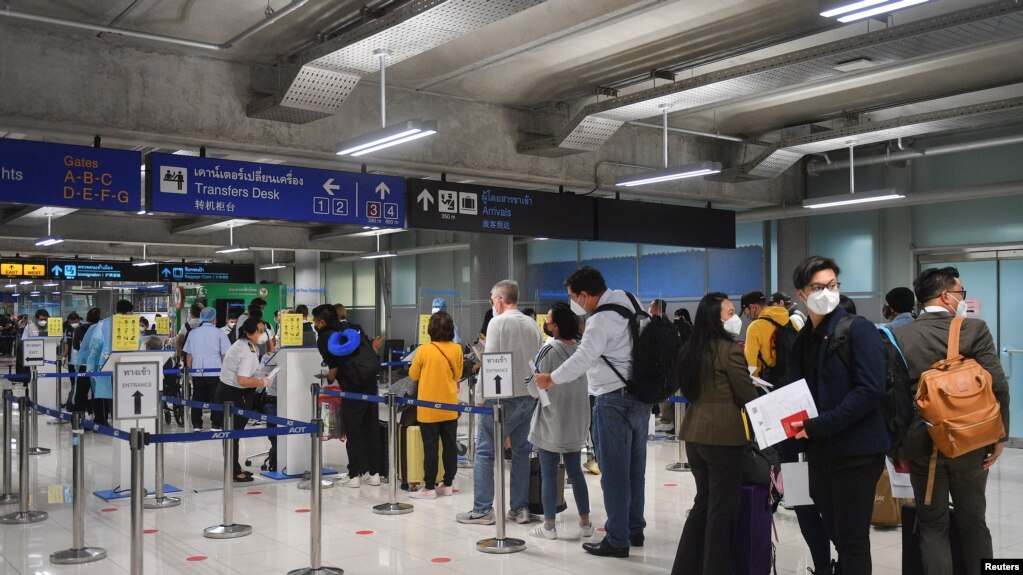
In a major policy pivot, the Thai government is reportedly moving to rescind its 60-day visa exemption scheme, scaling it down to 30 days for citizens of 93 countries, alongside a proposed 300-baht ($9) tourism levy.
While appearing to be routine immigration adjustments, these measures signal a profound shift in Thailand’s economic model—moving away from the high-volume, budget-friendly tourism that once defined the kingdom toward an aggressive focus on high-spending luxury travelers. This transformation carries significant legal and financial ramifications for neighboring countries, particularly the vulnerable Myanmar migrant and expat communities.
From Quantity to Quality: The Post-Pandemic Tourism Strategy
In 2019, Thailand hit a record high of nearly 40 million international arrivals, solidifying its status as a global tourism superpower. However, post-pandemic recovery has stalled. Crucially, arrivals from China—historically the economic engine of Thai tourism—have failed to meet expectations. Facing an incomplete financial recovery, a strategic consensus has solidified within the Thai government: prioritize tourist “quality” over sheer “quantity.”
The economic rationale is straightforward: a budget backpacker staying for two months in low-cost hostels and relying on street food yields a lower gross domestic product (GDP) return than a luxury tourist who stays for five days but spends extensively at five-star hotels, premium shopping complexes, and fine-dining establishments. By shortening visa windows, Bangkok aims to selectively filter out long-staying, low-yield visitors.
Officially, the government cites “national security concerns” as the primary driver for the rollback. Authorities point to widespread abuse of the 60-day exemption, including overstays, illegal employment, and foreign syndicates operating grey-market businesses or online scam centers in tourist hubs like Chiang Mai, Phuket, Pattaya, and Pai. Growing domestic backlash on Thai social media over unregulated foreign-owned businesses has successfully pushed immigration enforcement to the forefront of national politics.
The Ripple Effect on Myanmar Citizens
Although Myanmar nationals were never part of the privileged 60-day visa exemption list, the broader tightening of immigration enforcement and visa scrutiny directly threatens the massive Myanmar diaspora in Thailand.
As authorities crack down on system loopholes, enforcement will target informal mechanisms that many Myanmar nationals rely on for survival, including:
- Border Runs: Routine exits and re-entries to extend stays.
- Employment Abuse: Working illegally while holding tourist status.
- Educational (ED) Visa Abuse: Utilizing language or cultural school enrollments solely for residency without actual attendance.
- Overstay Penalties: Stricter tracking and prosecution of expired visas.
For the Myanmar community—comprising students, professionals, and refugees who have sought stability in Thailand since the 2021 military coup—maintaining legal status will become a highly delicate, heavily monitored, and perilous endeavor.
Rising Costs of Mobility
The impending introduction of the 300-baht tourism levy, combined with rising airfares, compulsory travel insurance, and airport taxes, will substantially increase the cost of entering Thailand. While a 300-baht fee seems nominal in isolation, its cumulative impact alters the budget-conscious travel market.
For Myanmar’s remaining middle class, Thailand’s long-held status as an affordable, accessible sanctuary and vacation destination is rapidly eroding under the weight of escalating bureaucratic and financial hurdles.
The Grassroots Economic Risk
Thailand is explicitly re-engineering its infrastructure to court medical tourism, luxury travelers, high-net-worth retirees, and digital entrepreneurs. Yet, this pivot introduces severe structural risks to Thailand’s domestic economy.
The bedrock of Thai hospitality has historically been its accessibility and affordability. Backpackers, digital nomads, and budget-conscious repeat visitors provide the vital financial lifeblood for the local grassroots economy. These travelers spend directly at independent street stalls, low-cost guesthouses, motorcycle rental shops, and night markets.
Conversely, luxury tourists tend to compartmentalize their spending within multinational hotel chains and premium shopping malls. Consequently, even if total national tourism revenue figures rise, Thailand’s grassroots vendors and small business owners could face a severe economic downturn.
Conclusion: A Pivotal Shift in Philosophy
Ultimately, Bangkok is experimenting with a fundamental shift in its tourism philosophy. Whether the kingdom successfully transitions into a premium, Dubai-style luxury hub or faces a grassroots economic deficit remains to be seen. What is clear, however, is that this policy change is far more than a simple visa adjustment; it is a decisive strategic signal defining the future trajectory of the Thai economy.
About the Author