

May 4, 2026 | Burma Independent Voice
Scientists have discovered that birds in urban parks tend to flee much sooner when a woman approaches them compared to a man. This finding highlights how wildlife can perceive subtle human differences that often go unnoticed by people themselves.
A research team led by Dr. Federico Morelli from the University of Turin (UniTo) in Italy conducted over 2,700 tests involving 77 bird species across urban parks in five European countries.
To ensure the accuracy of the study, the male and female researchers involved were matched for height, wore identical colors, and kept their hair concealed. Despite these efforts to mask gender-identifying features, the birds consistently demonstrated a clear distinction in their reactions.
The study found that birds typically allowed men to approach within 25 feet before taking flight, but began to flee at a distance of 28 feet when a woman approached. While a three-foot difference may seem negligible to humans, it represents a significant margin for foraging birds.
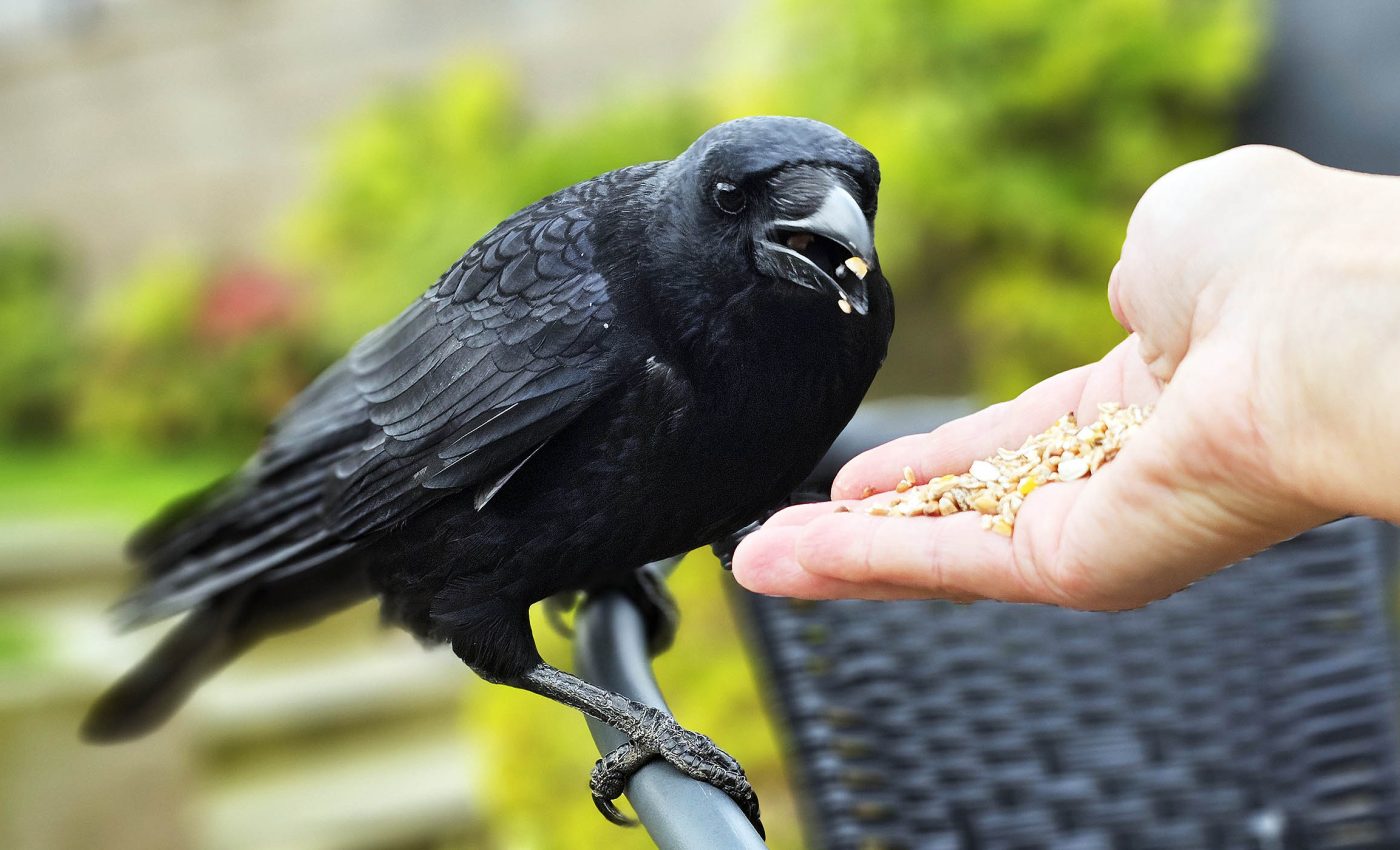
This behavioral pattern was observed across various species, including pigeons and crows. Interestingly, while male birds generally displayed more “bravery” than females, they were still notably more fearful of approaching women than men.
Scientists have yet to pinpoint the exact cause for this reaction. Future research will explore whether the birds are responding to distinct body odors, walking gaits, or specific body shapes. Previous studies on laboratory mice found that the scent of men actually increased stress levels in the rodents, yet the avian response to humans appears to follow a different logic.
The study, published in the journal People and Nature, suggests that urban birds observe human presence much more closely than previously thought. The next phase of research will focus on identifying the specific cues that allow birds to make these gender-based distinctions.
About the Author