
July 17, 2026 | Burma Independent Voice
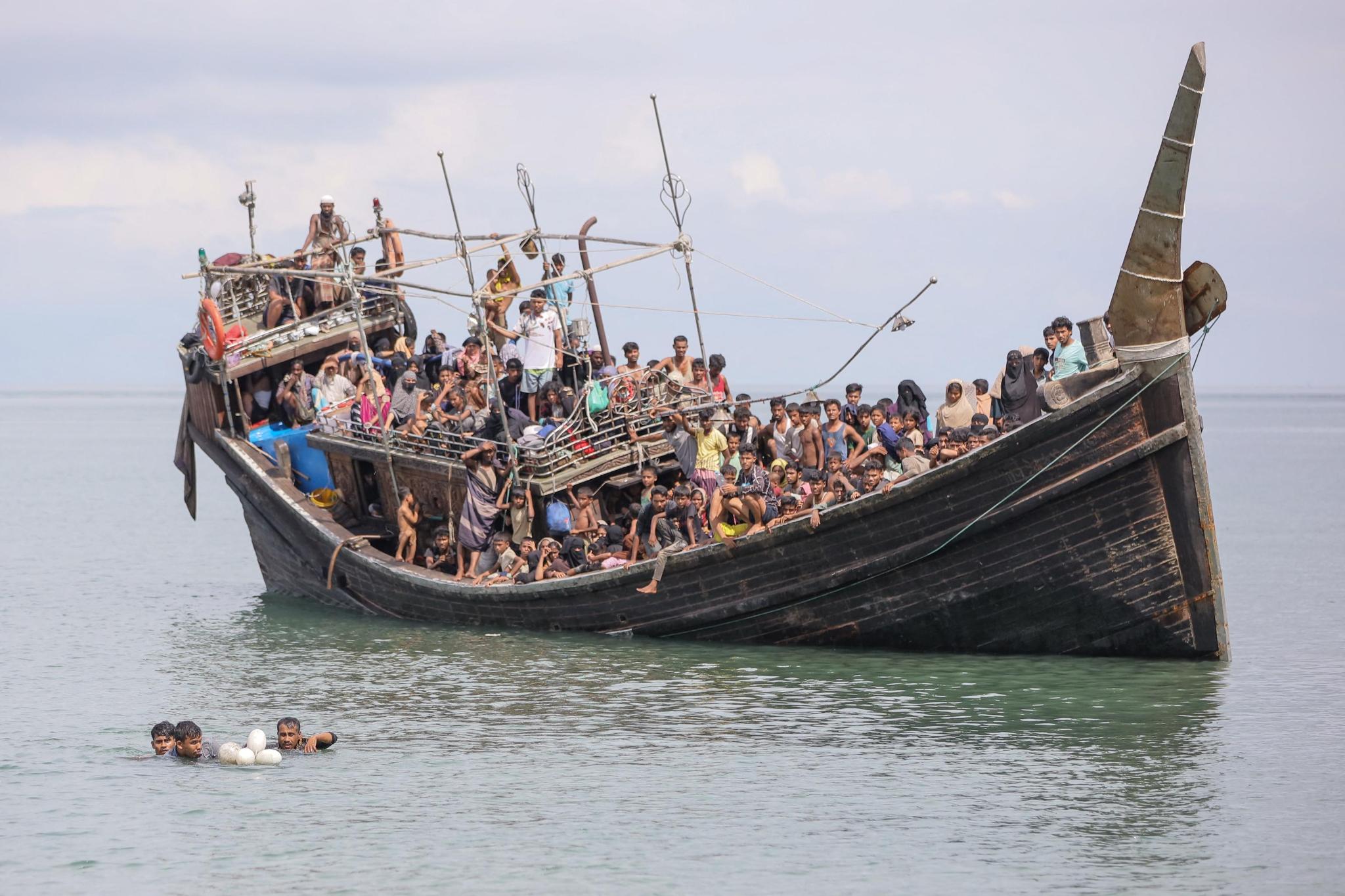
The International Organization for Migration (IOM) and the United Nations High Commissioner for Refugees (UNHCR) issued a joint statement on July 16, expressing profound concern following reports that two vessels carrying more than 500 people capsized and sank near the Myanmar coast in recent days.
According to preliminary information, the two vessels departed from Rakhine State in late June, carrying passengers who were predominantly Rohingya. The manifests reportedly included individuals who had traveled from the refugee camps in Cox’s Bazar, Bangladesh.
The first vessel, carrying approximately 250 individuals, lost communication shortly after its departure. The second vessel, laden with an estimated 280 passengers, is believed to have foundered and sunk near the Ayeyarwady coast of Myanmar on July 8.
Although the incidents and the exact death toll have not yet been officially verified, UNHCR and IOM are gravely concerned about the catastrophic potential loss of life.
These maritime journeys were undertaken during a period of hazardous and severe weather conditions that typically halt regular maritime transit. Heavy monsoon rains and widespread regional flooding have further heightened the perils of seafaring in the area.
If verified, this double tragedy will significantly add to the grim tally of nearly 300 Rohingya refugees and Bangladeshi nationals who have already been reported dead or missing in the Andaman Sea and the Bay of Bengal this year.
The joint statement highlighted that the protracted conflict, mass displacement inside Myanmar, and the persistent failure to secure a sustainable solution for the Rohingya community have pushed these populations into increasingly desperate circumstances. The escalation of hostilities within Myanmar, deteriorating humanitarian conditions, and severe funding shortfalls alongside restricted opportunities in Bangladesh’s refugee camps have collectively compelled Rohingya individuals to risk perilous sea routes in search of safety.
The agencies noted that this disaster sharply underscores the predatory nature of human smuggling and trafficking networks that systematically exploit the desperation of individuals seeking sanctuary.
To prevent further loss of life on what remains one of the world’s deadliest maritime routes, the UN bodies warned that robust regional and international interventions are urgently required. These measures must include enhanced search and rescue operations, guaranteed access to asylum and protection frameworks, and decisive action to dismantle human smuggling and trafficking syndicates.
While IOM and UNHCR formally acknowledged the enduring hospitality of Bangladesh in hosting Rohingya refugees, they urged the international community to sustain financial support for both the refugees and host communities, while concurrently addressing the root causes of forced displacement.
Currently, the UN agencies are engaging with state authorities along routes across South and Southeast Asia to safeguard the lives and ensure the protection of refugees and migrants at sea.
About the Author