
July 22, 2026 | Burma Independent Voice
ASEAN Foreign Ministers agreed on July 21 to consider establishing concrete benchmarks to measure Myanmar’s progress and to appoint a long-term Special Envoy, aimed at reinforcing the implementation of the stalled Five-Point Consensus (5PC) peace framework.
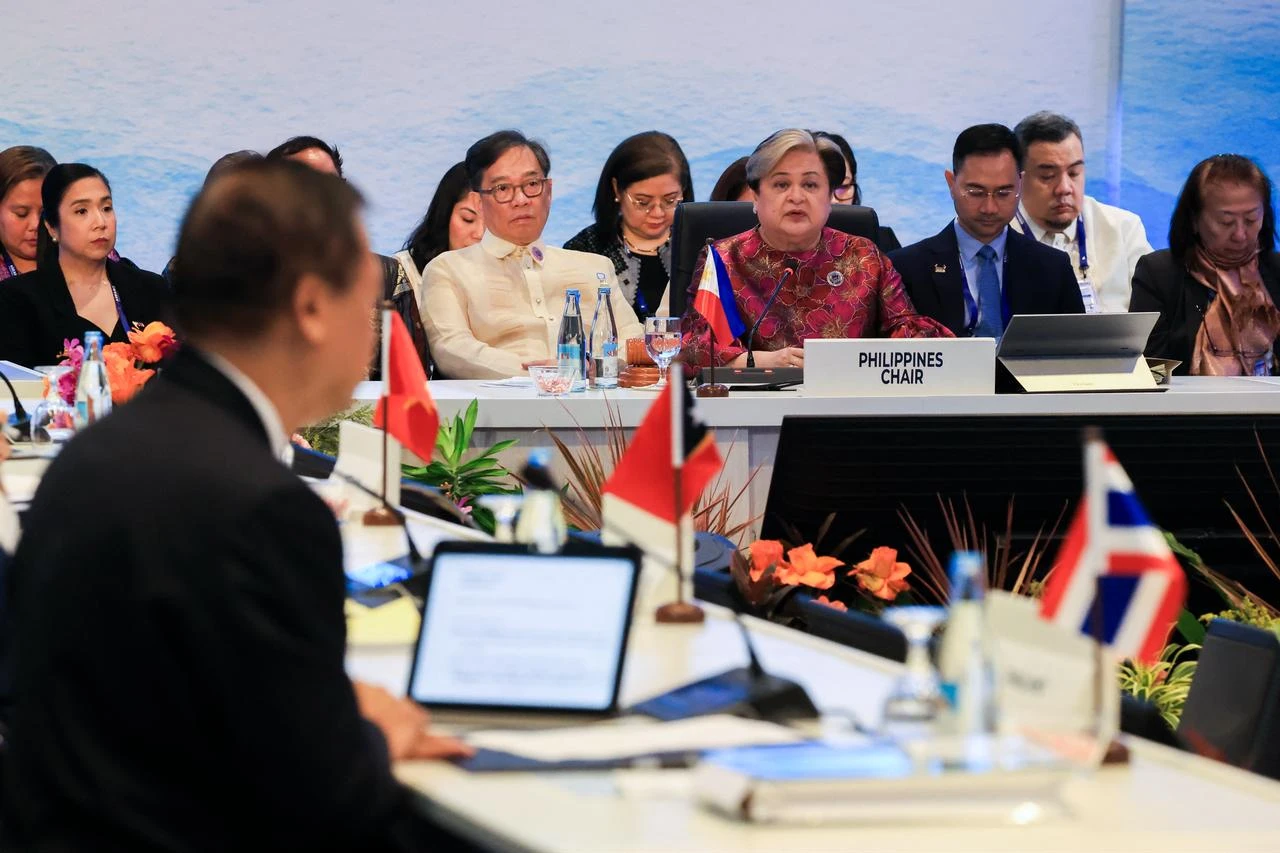
The proposals emerged during an extended informal consultation on the sidelines of the 59th ASEAN Foreign Ministers’ Meeting in Manila, Philippines. Philippine Foreign Undersecretary Maria Theresa Lazaro stated that senior officials will further refine the initiatives before presenting them to ASEAN leaders at the upcoming summit in November.
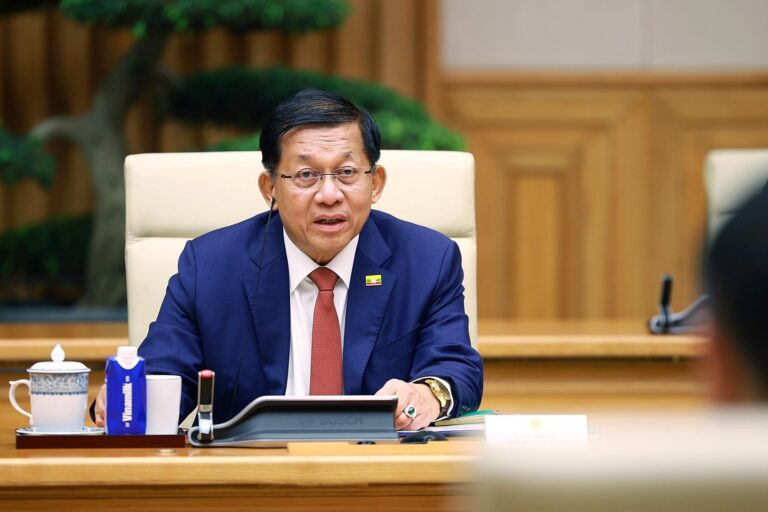
This meeting followed an earlier informal gathering in Bangkok on July 12, which marked the first direct, in-person engagement between ASEAN foreign ministers and the junta’s foreign minister since the 2021 military coup.
During the Manila consultations, ministers reviewed key proposals from the Bangkok session, including the creation of an assessment framework to monitor ground developments and moving away from the yearly rotational system for the ASEAN Special Envoy in favor of a dedicated, longer-term appointment. Additionally, Brunei proposed establishing a dedicated support unit within the ASEAN Secretariat to assist the Special Envoy’s operations.
Addressing speculations that direct engagement might indicate a soft-line approach or a deviation from the Five-Point Consensus, Lazaro reaffirmed that the 5PC remains the central diplomatic pillar.
Lazaro clarified that despite an urgent motion passed by Myanmar’s junta-aligned parliament rejecting the framework, the junta’s Foreign Minister, U Tin Maung Swe, defended its ongoing validity during the Bangkok talks, asserting that it had not been rendered void in practice.
In a statement issued on July 21, Singapore’s Ministry of Foreign Affairs confirmed that ministers reaffirmed the 5PC and called for concrete, measurable steps, including a permanent cessation of violence, the release of all political prisoners, and unhindered humanitarian assistance across Myanmar.
Analysts note that these measures are intended to fine-tune and strengthen ASEAN’s diplomatic strategy rather than replace it. However, experts cautioned that uncoordinated bilateral engagements by individual ASEAN member states with Naypyidaw risk diluting the bloc’s collective leverage.
Despite repeated ASEAN calls to cease hostilities, armed clashes and aerial bombardments continue across Myanmar. According to estimates by the Armed Conflict Location & Event Data Project (ACLED), more than 100,000 people have died since the onset of the civil conflict, with approximately 22,400 civilians—including State Counsellor Aung San Suu Kyi—remaining in detention.
Beyond the Myanmar crisis, ASEAN foreign ministers deliberated on broader regional security matters, including developments in the Middle East. On July 24, the ministers are scheduled to commemorate the 50th anniversary of the Treaty of Amity and Cooperation in Southeast Asia (TAC), emphasizing mutual respect, non-interference, and the peaceful settlement of disputes.
About the Author